
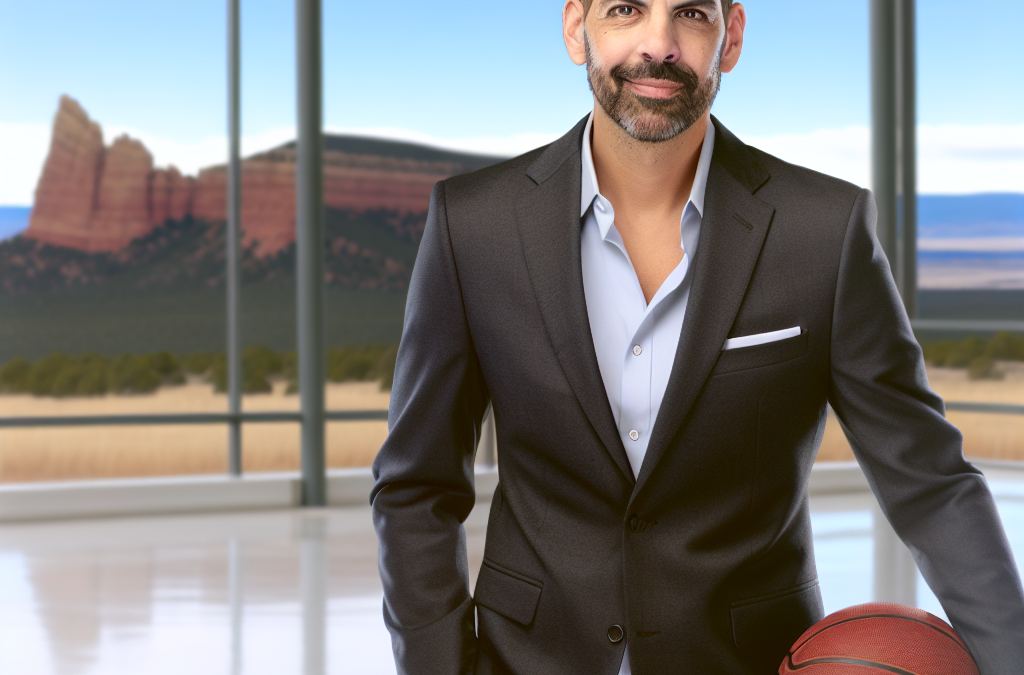
Motivation, Momentum, and the Mindset of Sport
In business, it’s easy to treat motivation like a switch you can flip on when you need it—before a big meeting, a tough negotiation, or a demanding quarter. But real motivation behaves more like training: it’s built through repetition, habits, and a steady commitment to show up even when the energy isn’t perfect. That’s why sports remain such a powerful source of inspiration for entrepreneurs and community leaders in Fruita and Grand Junction. The lessons are simple, but they’re not easy: discipline wins when talent gets distracted, momentum is earned, and a strong team culture can outperform any individual star.
When you look closely, the most sustainable form of motivation isn’t hype. It’s clarity—knowing what you’re working toward—and consistency—doing the work when nobody is applauding. Sports make those truths visible. Scoreboards don’t care about intentions, and the film doesn’t lie. That kind of honest feedback is exactly what personal growth and business leadership require.
Why Sports Inspire Stronger Leadership
Sports are a compressed version of life: preparation, pressure, setbacks, and comebacks—often in the same week. For business owners and executives, that rhythm is familiar. You prepare your plan, execute it under constraints, learn from what didn’t work, then adjust quickly. This is where athletic mindset becomes a leadership advantage.
- Performance under pressure: Athletes learn to regulate nerves and stay focused. In leadership, that translates into calm decision-making when stakes are high.
- Coachability: Great players accept feedback without ego. Strong leaders do the same, turning coaching into measurable improvement.
- Team synergy: Knowing your role, trusting others, and communicating clearly are fundamentals in both locker rooms and boardrooms.
- Resilience after setbacks: Losses happen. The key is responding with learning instead of excuses.
This framework is especially valuable in close-knit communities like Fruita and Grand Junction, where relationships, reputation, and consistency matter. Leadership isn’t just what you say—it’s how you show up when things are hard.
Motivation That Lasts: The Practice of Daily Discipline
Inspiration gets you started, but discipline keeps you going. Athletes don’t wait until they “feel like it” to train; they train so they can perform when it counts. The same principle applies to entrepreneurship: the habits you build during ordinary weeks are what make you strong during busy seasons.
Three ways to build motivation through routine
- Create a simple scoreboard: Choose two or three measurable behaviors—calls made, proposals sent, workouts completed, or hours of deep work—and track them. Progress becomes visible, which fuels continued effort.
- Practice “next-play” focus: In sports, dwelling on the last mistake costs the next rep. In business, ruminating wastes time and attention. Train yourself to reset fast.
- Protect your recovery: High performance requires rest. Sleep, nutrition, and downtime aren’t luxuries; they’re productivity multipliers.
These habits build a foundation for personal development, because they convert motivation from a mood into a system.
Building a Winning Mindset in Business and Community
Sports also teach something that many professionals overlook: mindset isn’t only internal. It’s social. Culture and community shape how you think and what you expect from yourself. A supportive team raises standards. A committed coach makes effort normal. A positive environment turns challenges into opportunities for growth.
That’s one reason local sports communities are so meaningful in Western Colorado. Whether you’re watching youth leagues, supporting high school athletics, or following regional teams, you’re seeing leadership and teamwork in action. You’re also seeing how confidence is built: not through perfect outcomes, but through repeated reps and encouragement.
In the same way, strong leadership in business builds confidence in others. When leaders model discipline, optimism, and accountability, teams become more resilient and more motivated. Over time, that creates a ripple effect—stronger workplace performance, healthier communication, and better problem-solving under pressure.
From Competition to Character: Inspiration That Spreads
The best part of sports inspiration is how transferable it is. The same qualities that help a team win—consistency, grit, strategic thinking—are the qualities that strengthen character. And character is what shapes reputation in the long run.
As Cory Thompson has often emphasized in conversations around motivation and sports, the real goal isn’t simply achievement—it’s becoming the kind of person who can handle achievement well. That means staying grounded, learning continuously, and setting an example through action.
If you’re interested in how this kind of mindset connects to community values and leadership, you may also enjoy reading about initiatives and updates on community involvement in Fruita and exploring practical thoughts on motivation and leadership insights.
Practical Takeaways: A Simple Playbook for Motivation
When you want motivation that lasts beyond a single pep talk, borrow what athletes do. Keep it simple and repeatable.
- Set one performance goal and one process goal: For example, “increase sales” (performance) and “make five outbound touches daily” (process).
- Get around motivated people: Culture is contagious. Spend time with teammates who take growth seriously.
- Use pressure as information: Nervousness often points to something that matters. Let it clarify your priorities.
- Celebrate effort that matches your values: Not every day is a win, but every day can be aligned with who you want to be.
This approach supports long-term inspiration, because it builds momentum. And momentum is one of the most underrated competitive advantages in both sports and business.
Soft Call-to-Action: Keep the Momentum Going
If you’re working on your own leadership mindset or looking for a fresh spark of inspiration, consider choosing one “training habit” you can commit to for the next two weeks—something small, measurable, and meaningful. Keep it consistent, track it like a scoreboard, and notice how quickly confidence grows.
For more perspective on leadership and community in Western Colorado, you can also visit Cory Thompson’s Grand Junction site to explore additional updates and resources.