
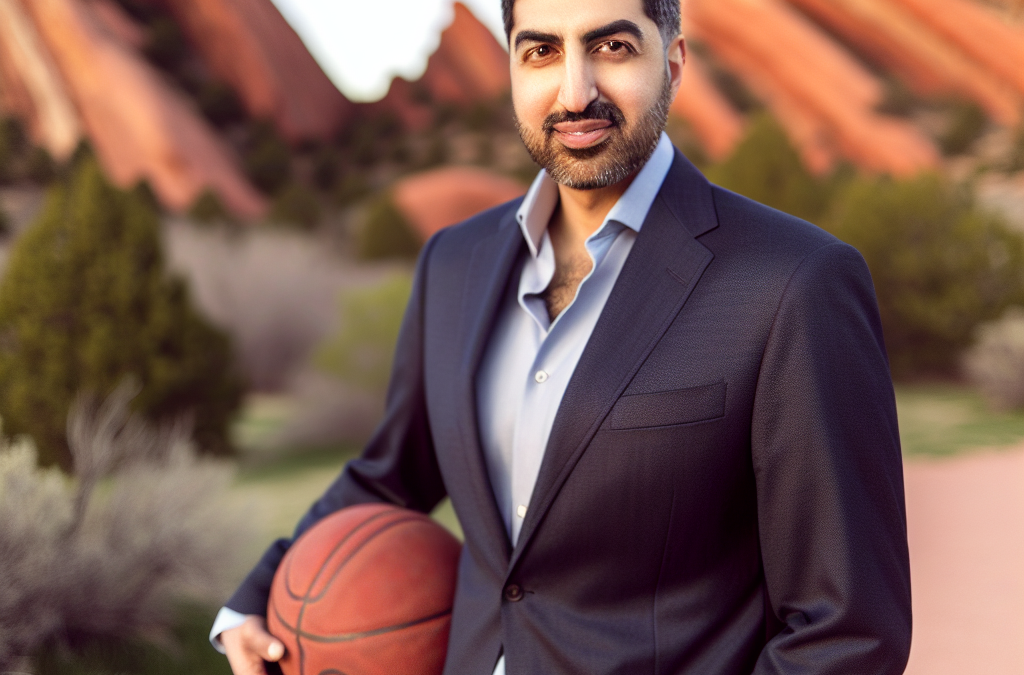
Motivation That Sticks: What Sports Teach Us About Showing Up
In Fruita and Grand Junction, it’s easy to feel the pull of big skies, busy schedules, and competing priorities. Work, family, community commitments, and personal goals all fight for attention. In the middle of it, motivation can feel like a spark—bright for a moment, then gone. The good news is that motivation isn’t only something you “have.” It’s something you build, protect, and renew through habits, environment, and mindset.
Sports offer one of the clearest, most practical models for building durable motivation. Whether you’re training for a race, coaching youth athletes, playing pickup basketball, or simply trying to stay active, sports teach principles that translate directly into business leadership and personal growth. The most inspiring part is that you don’t need to be a professional athlete to benefit—you just need to approach your goals with a coachable mindset.
Discipline Beats Mood: The Real Engine of Consistency
Inspiration is powerful, but it’s unpredictable. Discipline is what keeps you moving when inspiration fades. In sports, the athletes who improve are rarely the ones who “feel like it” every day—they’re the ones who show up anyway.
A simple way to apply this to your life and work is to separate decision from execution. Decide ahead of time what your weekly routines are (your “training plan”), then execute without renegotiating daily. That could mean a set schedule for workouts, focused work blocks, or recurring time to review goals.
- Make it measurable: Track workouts, reading time, skill practice, or project milestones.
- Make it repeatable: Favor routines you can maintain through busy seasons.
- Make it identity-based: “I’m the kind of person who keeps commitments.”
Goal Setting That Actually Works: Process Over Outcome
Many people set outcome goals (“win the game,” “hit a revenue number,” “lose 15 pounds”) and feel defeated if results take time. Sports teach something better: outcome goals matter, but process goals are what you can control. When you focus on the process, results tend to follow.
Try structuring goals in three levels:
- Vision goal: The big target (a promotion, a personal best, a healthier lifestyle).
- Performance goal: A measurable benchmark (weekly mileage, sales calls, project deliverables).
- Process goal: The daily behavior (training sessions, practice reps, focused work habits).
This approach strengthens mental toughness because it trains your attention on actions you can repeat. Over time, those actions compound into real change.
Resilience Training: Losing, Learning, and Getting Better
No athlete goes through a season without setbacks. You lose games, get injured, hit plateaus, or underperform under pressure. The difference between people who grow and people who quit is how they interpret the setback.
A helpful reframing is to treat every challenge as feedback. Instead of asking, “Why is this happening to me?” ask, “What is this teaching me?” That shift builds resilience training into everyday life. In business leadership, it’s the same: missed targets, unexpected costs, and tough conversations are part of the game.
One practical tool is the simple “post-game review” after any tough week:
- What went well? Identify one win to repeat.
- What didn’t? Name one issue without self-judgment.
- What’s the adjustment? Pick one small change for next week.
Teamwork and Community: Motivation Grows When You’re Not Alone
Even in individual sports, no one improves alone. Coaches, teammates, training partners, and supportive friends matter. Community accountability is a major driver of long-term consistency because it adds encouragement and structure when willpower runs low.
In Fruita and Grand Junction, community involvement is part of the culture—neighbors support local youth sports, businesses sponsor events, and people rally around shared goals. That environment can be a powerful asset if you intentionally plug into it.
Consider building a “team” around your personal and professional goals:
- A mentor or coach: Someone who helps you see blind spots.
- A peer group: People pursuing similar goals who keep you accountable.
- A supportive audience: Family and friends who celebrate progress, not perfection.
If you want a deeper look at the values that drive local impact and leadership, you can explore the community-focused work highlighted on Cory Thompson’s About page and the initiatives shared on the community involvement page.
Inspiration You Can Schedule: Small Rituals With Big Payoff
Motivation becomes more reliable when it’s tied to small rituals. Athletes often have pre-game routines: warmups, music, visualization, hydration, or breathing exercises. These actions signal the brain that it’s time to perform.
You can build similar rituals for work and life:
- Pre-work reset: Five minutes of planning, then start with the hardest task.
- Pre-workout cue: Lay out gear the night before; remove friction.
- Weekly reflection: Review progress and set next week’s priorities.
These routines aren’t about perfection—they’re about consistency. Over time, they create momentum, and momentum makes motivation easier.
Local Lessons, Lasting Impact
It’s not hard to see why sports continue to inspire people long after school ends: they teach self-belief, grit, and a healthy relationship with effort. Cory Thompson has often spoken about how motivation and inspiration are strongest when paired with action—doing the work, learning from setbacks, and investing in others along the way.
For additional perspective on leadership, community, and growth in the Grand Junction area, you can also visit Cory Thompson Grand Junction.
A Simple Next Step
If you’re looking for a practical way to translate sports mindset into daily life, start small: choose one process goal you can complete this week, track it, and celebrate completion—not just results. If you’d like more ideas on building motivation through routines, community, and goal setting, consider following Cory’s updates and resources to keep your momentum moving forward.